Shifting sands of hardware and software in exascale simulations
Our Perspective in Nature Reviews Physics on how GPUs and heterogeneous architectures are changing software strategy for quantum mechanical simulations.
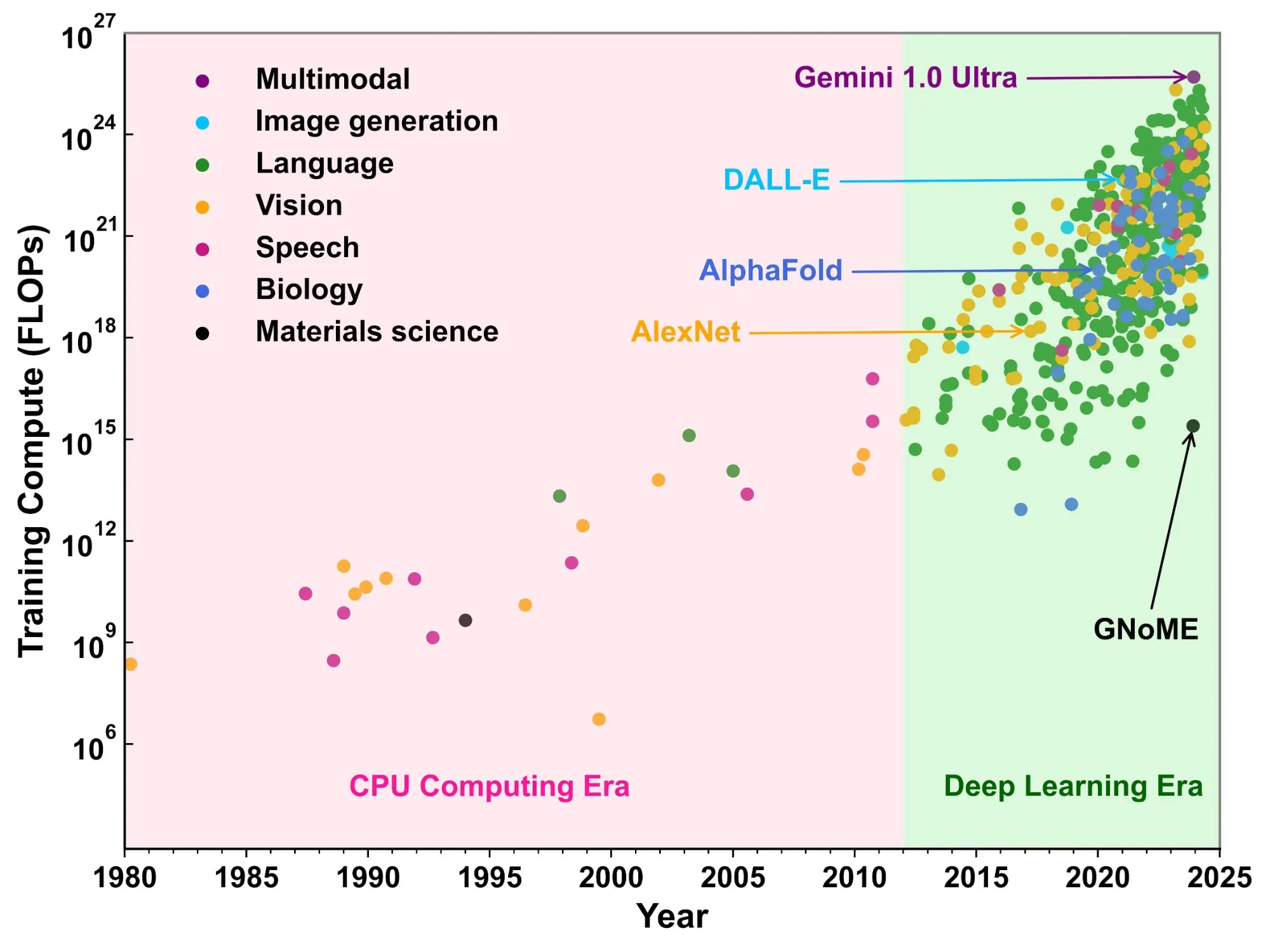
Our latest Perspective in Nature Reviews Physics explores the evolving landscape of exascale computing for quantum mechanical simulations.
We examine the challenges and opportunities presented by heterogeneous architectures, particularly the rise of GPUs, and the necessary shift in software strategies.
Read the full Perspective without a subscription, or see the article on Nature Reviews Physics.
About the Author

I'm Dr. Ravindra Shinde, a computational physicist and quantum chemist. My work spans quantum chemistry, condensed matter physics, AI for materials, and scientific computing: I use and develop electronic-structure methods to understand how electrons shape the properties of molecules and materials, and I build the software that makes those calculations possible.
Continue reading

A day at Amazon Amsterdam
A day at Amazon's Amsterdam office for Claude Code on Amazon Bedrock, a hands-on AWS workshop on building with Claude, and knowledge to carry into upcoming ventures.


75 million CPU hours on LUMI for quantum Monte Carlo forces
Our EuroHPC project, Learning from Quantum Monte Carlo Forces, has been awarded 75 million CPU hours on the LUMI supercomputer.